

Description
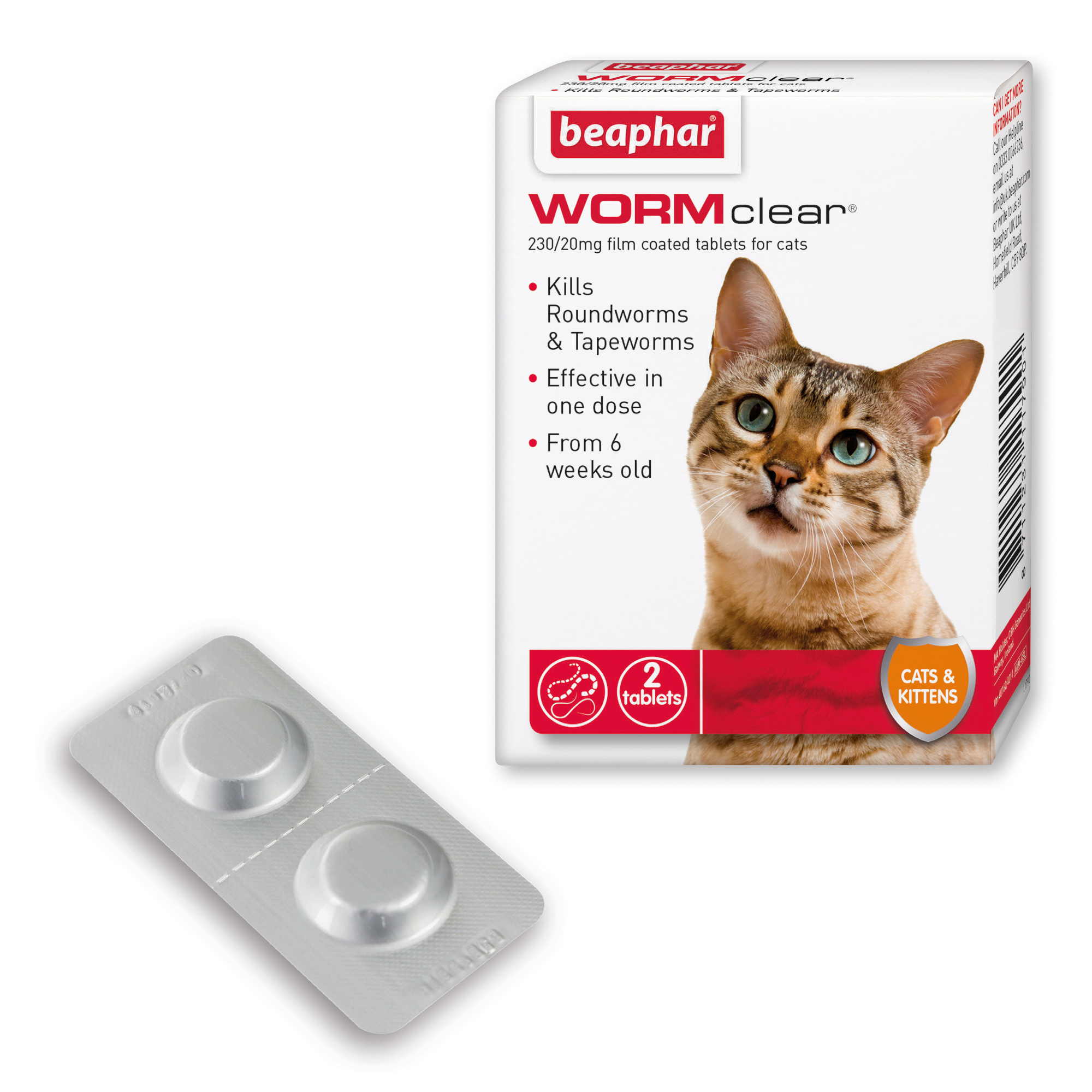
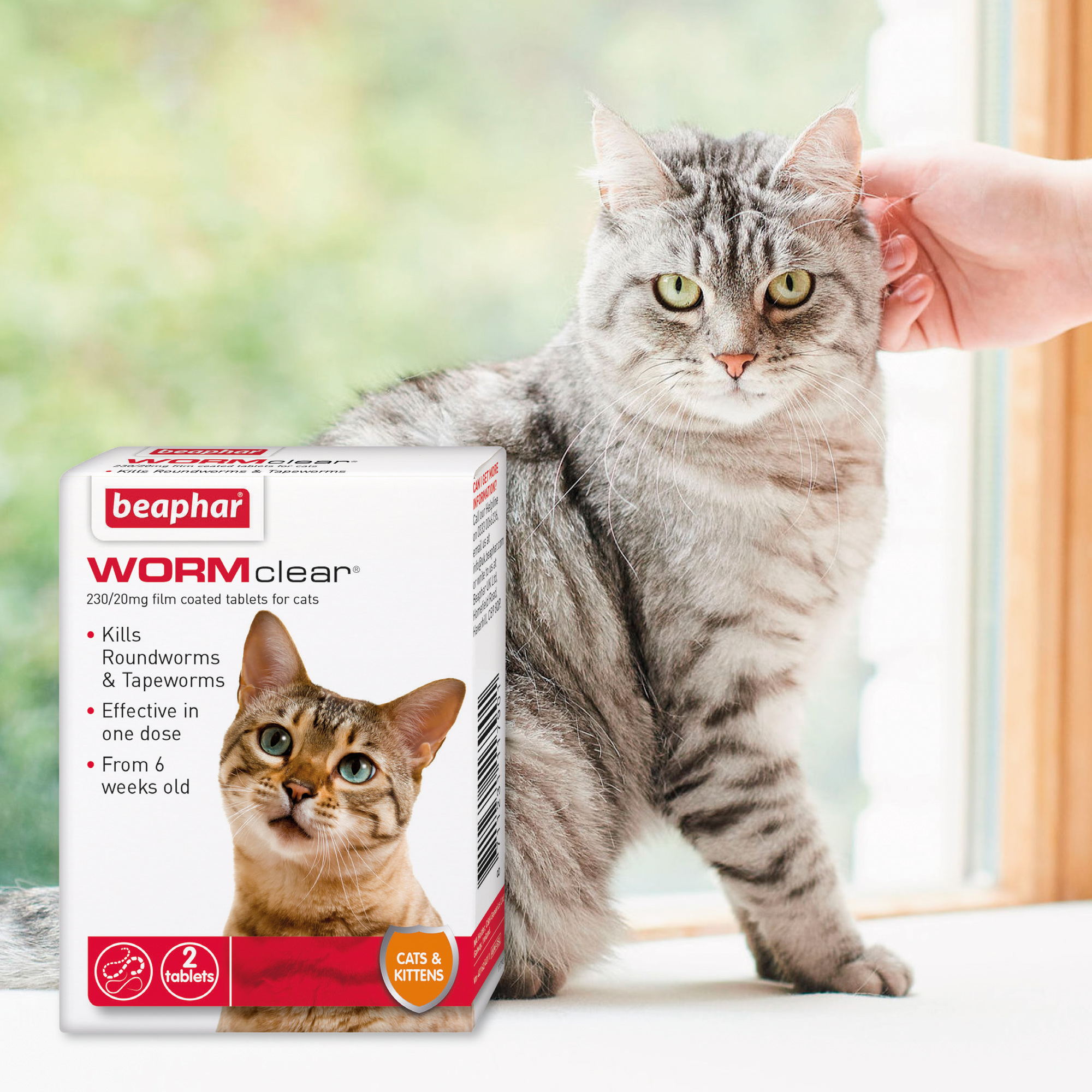
Beaphar WORMclear® Worming Tablets for Cats | 2 Tablets
Beaphar WORMclear® tablets work fast to kill all types of common intestinal worm found in UK cats (roundworms and tapeworms). These meaty-flavoured tablets are easy to give with or without food. Suitable for cats and kittens from 6 weeks of age and weighing more than 1kg. Can also be given to nursing queens.
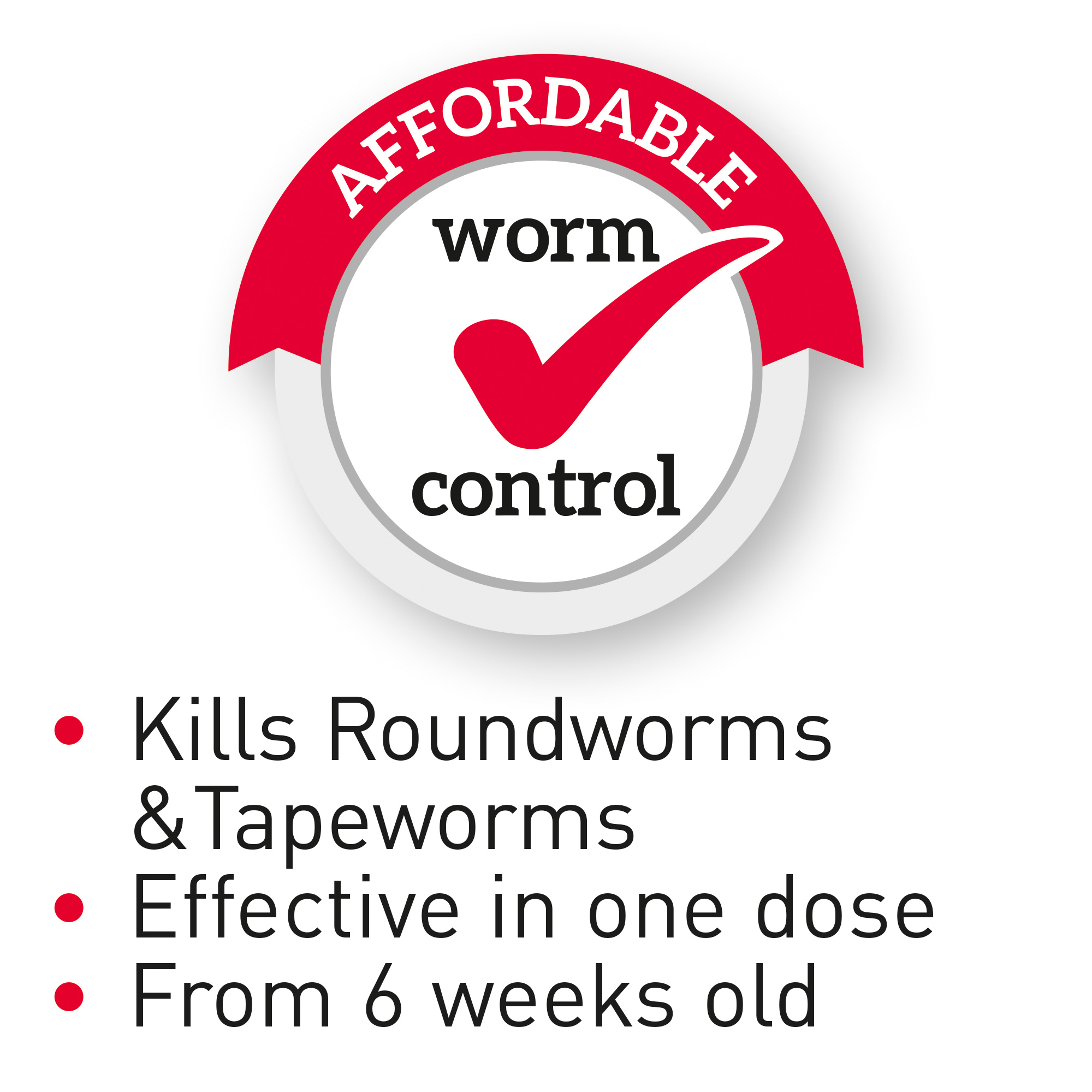
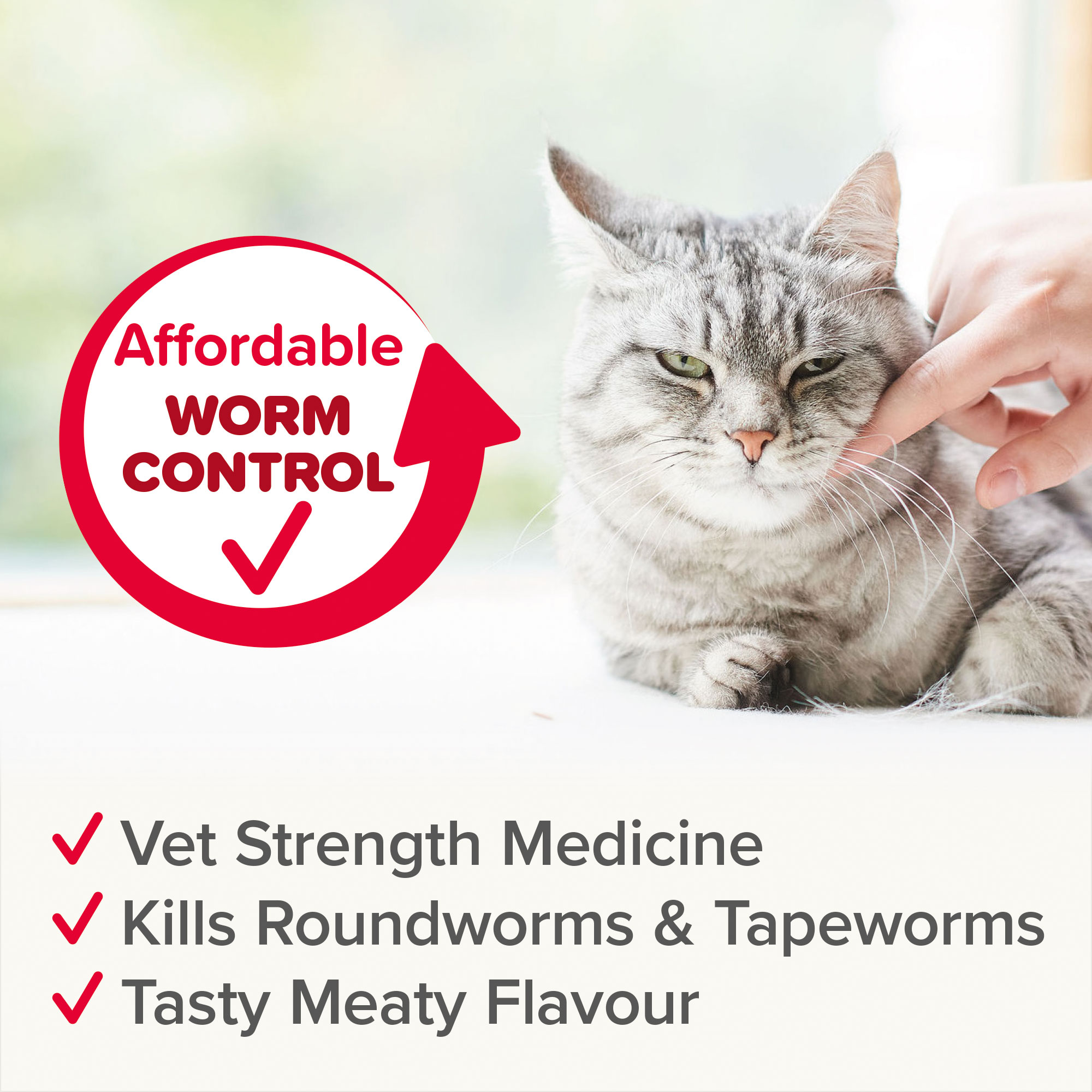
- KILLS ALL TYPES OF INTESTINAL WORMS COMMONLY FOUND IN CATS LIVING IN THE UK: Kills roundworms and tapeworms. Routine treatment is essential to help keep infestations away from your cat and family.
- VET STRENGTH TREATMENT: Beaphar WORMclear® Tablets for Cats are a veterinary medicine containing pyrantel embonate and praziquantel, which is available without the need for a veterinary prescription.
- TASTY MEAT FLAVOURED TABLETS: Flavoured tablets make worming a treat to give with or without food.
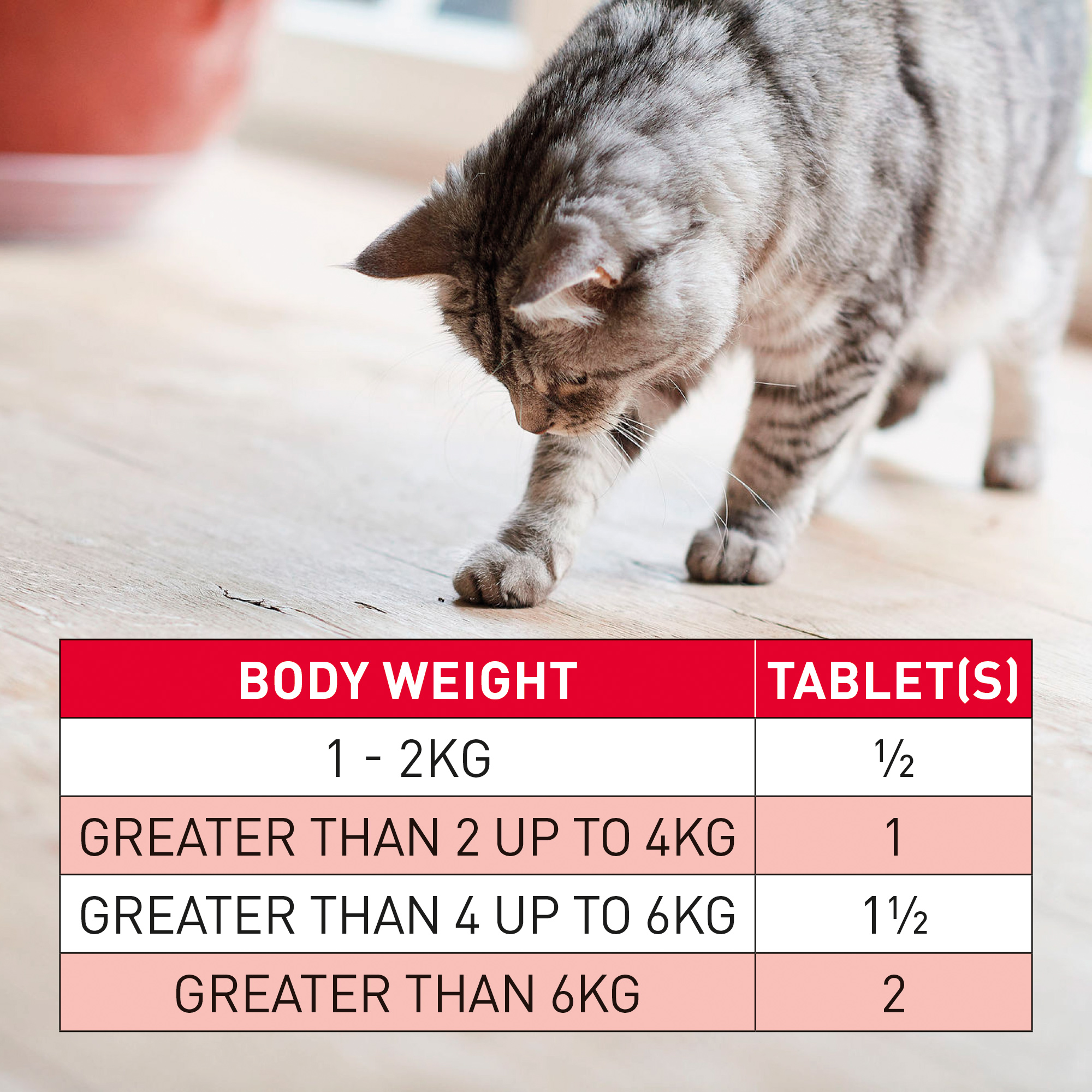
- DOSAGE: Give 1 tablet per 4kg body weight. This two tablet pack will provide two worming treatments for cats weighing up to 4kg or one treatment for cats weighing over 4kg up to 8kg.
- COMPREHENSIVE CONTROL OF ALL COMMON INTESTINAL WORMS: Cats can pick up intestinal worms from many sources including animal faeces, contaminated soil, vegetation, hunting infected rodents/birds or even consuming infected fleas whilst grooming. So it’s a good idea to apply regular flea treatment, such as Beaphar FIPROtec® Spot-On or Beaphar FIPROtec® COMBO, as well as worming your cat regularly.
Description
Beaphar WORMclear® tablets work fast to kill all types of common intestinal worm found in UK cats (roundworms and tapeworms). Available without prescription, this veterinary medicine contains, pyrantel and praziquantel. These tasty meat-flavoured tablets are easy to give with or without food. Suitable for cats and kittens from 6 weeks of age and weighing more than 1kg. Can also be given to nursing queens. As fleas can carry tapeworm eggs, it’s important to ensure your cat’s flea treatment is up to date, to reduce the risk of reinfestation from ingesting infected fleas.
Instructions
ALWAYS FULLY READ THE PRODUCT LEAFLET AND PACKAGING BEFORE USE. Do not remove the tablet(s) from the foil blister until you are ready to use the product. Weigh your cat carefully and use the following table to calculate the correct dose. Give 1 Beaphar WORMclear® Tablet for Cats per 4kg of body weight. Cats weighing 1–2kg: ½ tablet Cats weighing >2–4kg: 1 tablet Cats weighing >4–6kg: 1 ½ tablets Cats weighing >6kg: 2 tablets Tablets should be given directly to your cat but if necessary can be disguised in food. Kittens: Suitable for kittens from 6 weeks of age. Treat at 14 day intervals until 2–3 weeks after weaning. Nursing queens: Treat at the same time and as frequently as their kittens until weaning. Adult cats: It is recommended to routinely worm every three months. Do not exceed the stated dose. In the event of an overdose seek immediate veterinary advice.
Composition
- Ingredients: Pyrantel embonate 230mg, Praziquantel 20mg, Titanium dioxide E171, maize starch, microcrystalline cellulose, povidone K25, magnesium stearate, silica colloidial anhydrous, hypromellose and polyethylene glycol.
Specifications
| Contents | 2 tablets |
|---|---|
| SKU | 11790 |
| Barcode | 8711231117901 |
| Form | Tablets |
| Animal type | Cat |
| Do not apply when | ALWAYS FULLY READ THE PRODUCT LEAFLET AND PACKAGING BEFORE USE.Do not use in cats under 6 weeks of age or weighing less than 1kg, as this could result in overdosing. Do not use simultaneously with any other worming products. Do not use in dogs. Do not use in sick or convalescent animals. Do not use in pregnant queens. If signs of disease persist or appear, consult a veterinary surgeon. In case of accidental human ingestion, seek medical advice and show the packet to the doctor. Wash hands after administration of tablets. KEEP OUT OF REACH OF CHILDREN. For animal treatment only. |
| Storage and safety | Store below 25°C. Store in the original packaging and do not remove the tablets from the blister strip until ready to use. Keep away from food and drink, including animal feeding stuffs. Dispose of empty packaging, any part-used tablets and any uneaten medicated food in the household rubbish. |
|---|---|
| Product precautions | Do not use in cats under 6 weeks of age or weighing less than 1kg, as this could result in overdosing. Do not use simultaneously with any other worming products. Do not use in dogs. Do not use in sick or convalescent animals. Do not use in pregnant queens. If signs of disease persist or appear, consult a veterinary surgeon. in the case of accidental human ingestion, seek medical advice and show the packet to the doctor. Wash hands after administration of tablets. KEEP OUT OF REACH OF CHILDREN. For animal treatment only. |
| Active ingredient(s) | Pyrantel embonate 230mg, Praziquantel 20mg |
| Legal classification | Use medicines responsibly. Beaphar WORMclear® Tablets for Cats contains pyrantel embonate and praziquantel AVM-GSL. Further information is available from the SPC or email info@uk.beaphar.com |
Symptoms of worms in cats and dogs
Worms in cats and dogs can be dangerous, both to our pets and to our family. While it is true that some pets (particularly adult pets) may not show any outward symptoms of worms, there still are signs you can be on the lookout for to help you catch a worm infestation sooner rather than later.
There are eight symptoms of worms to look out for.
Bottom scooting, worm eggs in poo, runny poops/being sick, change in appetite, abdominal swelling, lethargic, dull coat and coughing
1. Scooting on their bottoms
Although a more common symptom of worms in dogs, this can also be seen in cats. If your pet is ‘scooting’ (dragging their bottom along the floor) it could be because of worms or worm eggs irritating the area around the bottom and making your pet feel uncomfortable.
2. Worm eggs in poo
This is the worm symptom pet owners are most likely to spot. If you see what looks like grains of rice in your pet’s faeces, this is an indicator of tapeworm. These ‘grains of rice’ are egg-filled segments which are shed as the tapeworm matures. Once out in the environment, the segments dry out and break open, releasing thousands of worm eggs into the environment.
3. Runny poops and/or vomiting
A worm infestation can cause both diarrhoea and vomiting, which can lead to weight loss and lack of condition for your pet. However, diarrhoea and vomiting can also signify other problems, so you should always seek veterinary advice if your cat or dog is suffering with either.
4. Change in appetite
Roundworms feed off the stomach contents of your pet, so an increase in appetite could be a symptom of worms. Equally, worms can make your pet feel bloated and uncomfortable, leading to loss of appetite. If you notice a change in your pet’s eating habits, particularly for an extended period of time, they should be checked by a vet.
5. Abdominal swelling
This worm symptom is more obvious in kittens or puppies. A heavy intestinal worm infestation can cause bloating, leading to a pot-bellied appearance.
6. Lethargic/lack of energy
If your cat or dog is less active than usual, it could be because of a worm infestation. Intestinal worms feed off your pet’s stomach contents, meaning your pet won’t be able to absorb the nutrients they need for energy.
7. Dull coat/lack of condition
Correct nutrition is essential to keep your pet healthy. But, if a worm infestation has taken hold, your pet will not be getting this, resulting in a dry and dull coat.
8. Frequent coughing
Roundworm and lungworm larvae migrate to the lungs, which can cause coughing.
My pet is displaying some symptoms of worms, what should I do?
If your pet is displaying symptoms of worms you need to treat them with a vet strength wormer immediately. These are available from your local pet shop, online retailers and vets.
Most wormers contain a combination of active ingredients and are formulated to kill most common intestinal worms. These products are also known as ‘broad spectrum wormers’. However, some wormers are only designed to target specific types of worms. The age of your pet and their lifestyle (hunter, travelled abroad recently etc.) will impact the type of worm they are likely to have.
You can either choose a broad spectrum wormer, or ask your pet retailer or vet for advice. If you pet is still showing symptoms of worms after treatment, then you should visit your vet.
Worms are particularly dangerous in kittens and puppies due to their immune system not being fully developed. A serious worm infestation can cause intestinal blockages which can sometimes lead to death.
The best way to protect your pet is to follow a regular worming routine.
How do I stop my cat or dog from getting worms?
No product on the market can stop your cat or dog from getting worms. But, it is easy to reduce the spread of worms:
- Always pick up after your dog and empty your cat’s litter tray
Worm eggs in fresh faeces are not infective. Picking up and disposing of any poo as soon as possible will reduce the risk and spread of worms.
- Wash your hands after handling faeces
Following good hygiene practice minimises the spread of bacteria, and reduces the chance of you and others picking up worms.
- Worm your adult cat or dog at least once every three months (kittens and puppies more regularly)
Regular worming keeps your pet and family safe from worms. If your pet hunts, eats prey or scavenges you may need to worm more often, as some prey animals carry worms. Speak to your pet retailer or vet for advice.
While knowing the symptoms of worms to look out for will help, the best way to protect your pet and your family is to follow the steps above. Worming your cat or dog regularly will help stop a worm infestation from taking hold. Disposing of faeces quickly and hygienically helps reduce the amount of worm eggs in the environment.
Remember, even if your pet shows no symptoms of worms it is important to worm them at least once every three months. If you’re unsure which worming product is best for your cat or dog, we have a helpful blog to guide you.